
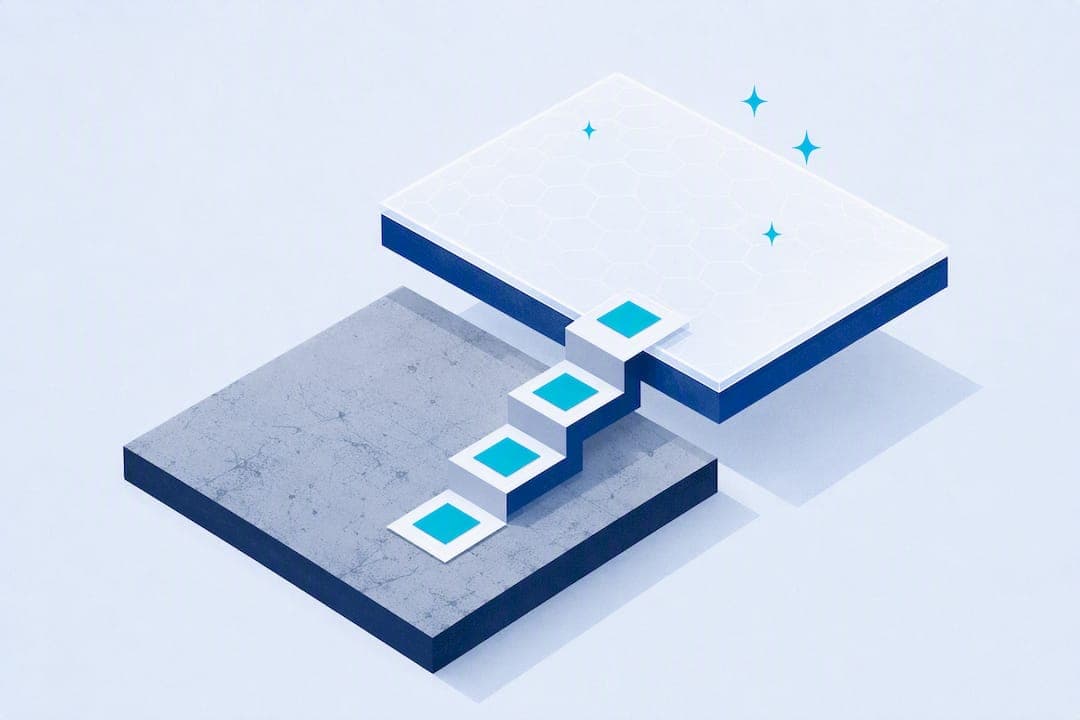
The add-ons worth buying are spray SiO2 toppers, graphene sprays, glass hydrophobic treatments, wheel coatings, and trim protectors, and the rule for choosing between them is simple: toppers refresh an existing coating, a professional recoat replaces one. Reach for a ceramic-compatible topper periodically to keep beading and gloss alive. Only pay for a full recoat after paint correction or once the original coating's bond has actually broken down. Skipping prep on either path just locks defects under a new layer of glass.
TL;DR:
- DIY toppers last between 12 to 36 months, making them suitable for routine maintenance, while professional coatings can last up to nine years with proper application.
- Proper surface preparation, including decontamination and bond testing, is essential before applying any fresh coating or topper to avoid trapping contamination and reducing durability.
- Most toppers are designed to refresh existing coatings, not replace failed or degraded layers, and full reapplications require extensive cleaning and potentially paint correction.
- Cost-wise, DIY spray toppers range from $20 to $60, whereas professional recoats start around $500, making toppers a more affordable option for short-term upkeep.
- Regular reapplication of ceramic-compatible boosters every 3 to 6 months is recommended, especially in harsh climates or when wash habits are frequent, to maintain hydrophobic performance.
Table of Contents
- What Ceramic Coating Add-Ons Actually Do
- DIY Toppers vs. Professional Recoat: What You're Actually Choosing Between
- Can You Put a New Ceramic Coating Over an Existing One?
- The Chemistry Behind Toppers and Why the Maintenance Schedule Matters
- What Add-Ons and Recoats Actually Cost
- How to Choose the Right Add-Ons for Your Situation
- How Detailers Actually Manage Add-Ons in the Field
- Our Take: Stop Treating Toppers Like a Second Coating
- Book Your Next Ceramic Add-On Through a Detailing Platform
- Sources
What Ceramic Coating Add-Ons Actually Do
Not every bottle labeled "ceramic" does the same job, and knowing which category you're buying matters more than the marketing on the box.
- Spray-on ceramic toppers and SiO2 boosters. These are wipe-on, wipe-off products you apply in minutes rather than hours. They're designed as a refresh layer over an existing coating, not a standalone protection system, and most are applied without the multi-hour cure time a professional install requires.
- Graphene spray toppers. Graphene-infused sprays claim better heat dissipation and slightly more scratch resistance than plain SiO2 versions. The difference matters most on dark paint in hot climates, where heat buildup accelerates water-spot etching.
- Glass hydrophobic coatings. Windshield and window treatments run on a separate lifecycle from paint coatings and mainly earn their keep by improving visibility in rain, since glass and trim products are formulated and reapplied on different schedules than body panel toppers.
- Wheel coatings. These handle brake dust and cleaning better than uncoated wheels, but they don't tolerate the sustained heat of aggressive track driving the way factory clear coat does.
- Trim and plastic restorers. UV-blocking trim coatings stop that gray, sun-faded look on bumpers and mirror caps, restoring the original black finish rather than just masking it. Sun exposure does real, cumulative damage to exterior plastics, similar to what happens inside a car's cabin under prolonged UV exposure.
- Ceramic-infused wash shampoos. These don't add meaningful protection on their own, but they help maintain an existing coating's slickness between topper applications.
DIY Toppers vs. Professional Recoat: What You're Actually Choosing Between
A DIY topper takes 15 to 30 minutes per panel and needs no cure time beyond a quick flash-off. A professional recoat is a different animal entirely: hours of prep, hours of application, and days to weeks of cure time before the vehicle can get wet.
Durability tracks that time investment. Consumer sprays realistically last 12 to 36 months depending on wash habits, while professional multilayer coatings can hold up for three to nine years when installed correctly. That gap is the whole reason toppers exist as a category. They're not trying to replace the pro coat. They're buying it time.
Pro Tip: If you're applying a DIY topper over swirl marks or light scratches, stop. Those imperfections get sealed in permanently once the coating cures, so correct the paint first or the flaws will be there for years.
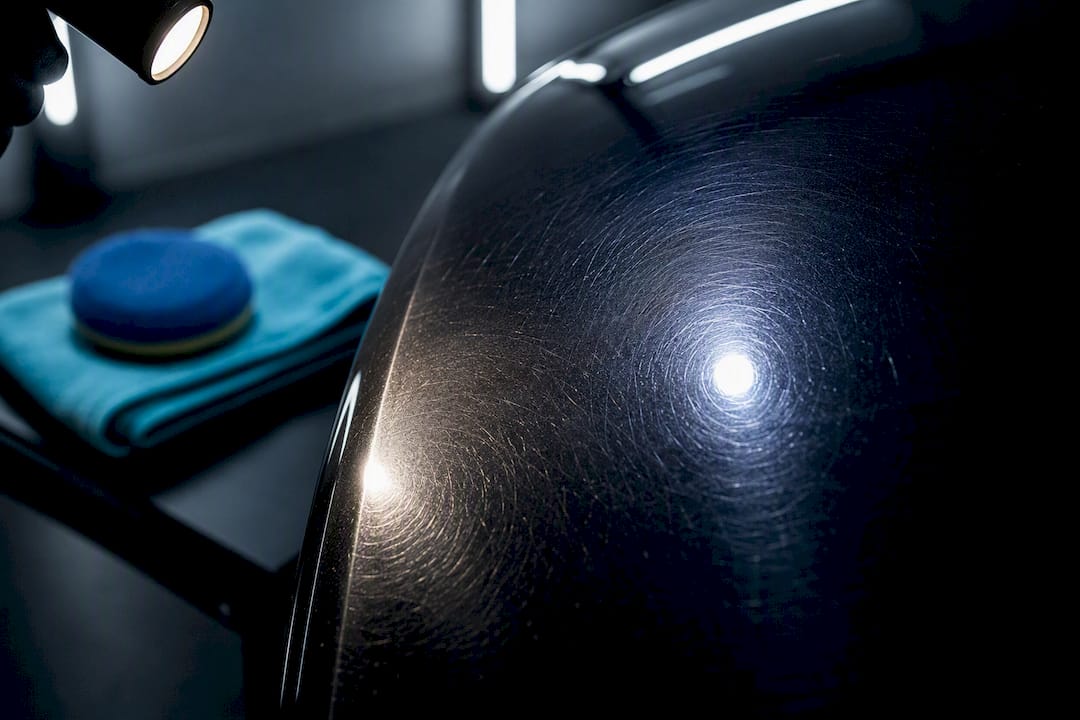
DIY makes sense for routine upkeep on a coating that's still performing. A professional visit makes sense when water stops sheeting cleanly, when the paint needs correction, or when you're protecting a vehicle you plan to keep for the long haul.
Can You Put a New Ceramic Coating Over an Existing One?
Yes, but only in a specific way. A ceramic-compatible spray topper layers fine over most existing coatings because it's designed to bond with cured SiO2, not compete with it. A full professional recoat over an already-coated vehicle is a different question entirely, and it requires inspection first.
Before any professional recoat, a detailer should run through a short checklist:
- Confirm the existing coating has actually cured and check how much time has passed since the last cure.
- Run a bond test to see whether water still sheets and beads properly.
- Decontaminate the surface completely. Iron deposits, tar, and old wax residue all block new bonding.
- Strip or compound the surface if the old coating has failed or degraded, rather than coating over dead material.
The most common mistake is layering a new coating over old, failing product without stripping it first. That traps contamination underneath and shortens the life of everything applied afterward.
The Chemistry Behind Toppers and Why the Maintenance Schedule Matters
Ceramic coatings work because SiO2 molecules chemically bond to the clear coat, forming a hard, semi-permanent layer. Wax just sits on top of paint and wears off within weeks. That's the entire reason wax needs monthly reapplication while a ceramic coating doesn't.
Advanced composite formulations combining SiO2 with TiO2 and ZrO2 have been shown in materials research to maintain hydrophobic performance across many wash cycles, which is part of why higher-end topper products outperform basic silica sprays over time.
A topper doesn't rebond to the clear coat the way the original installation does. It restores the thin hydrophobic outer layer that gets worn down by washing, road grime, and UV exposure, and that's what brings back tight beading and sharp gloss. Detailers commonly recommend reapplying a ceramic-compatible booster every 3 to 6 months, sooner in harsh climates or if you wash weekly, later if the vehicle is garaged and lightly used. Stick to pH-neutral, coating-safe soap and skip automatic brush washes, since the brushes introduce fine scratches that undercut everything the coating is protecting.
What Add-Ons and Recoats Actually Cost
Consumer spray toppers and DIY kits generally run in the $20 to $60 range for a bottle that covers a full vehicle several times over. A professional spray topper service, where a detailer applies and buffs it for you, typically lands between $75 and $200 depending on vehicle size and paint condition.
A full professional recoat is a bigger investment, usually starting in the $500 to $1,500+ range once paint correction is included, and it comes with several days of cure time where the car needs to stay dry and garaged. Budget for scheduling around peak seasons when detailing shops see their heaviest demand.
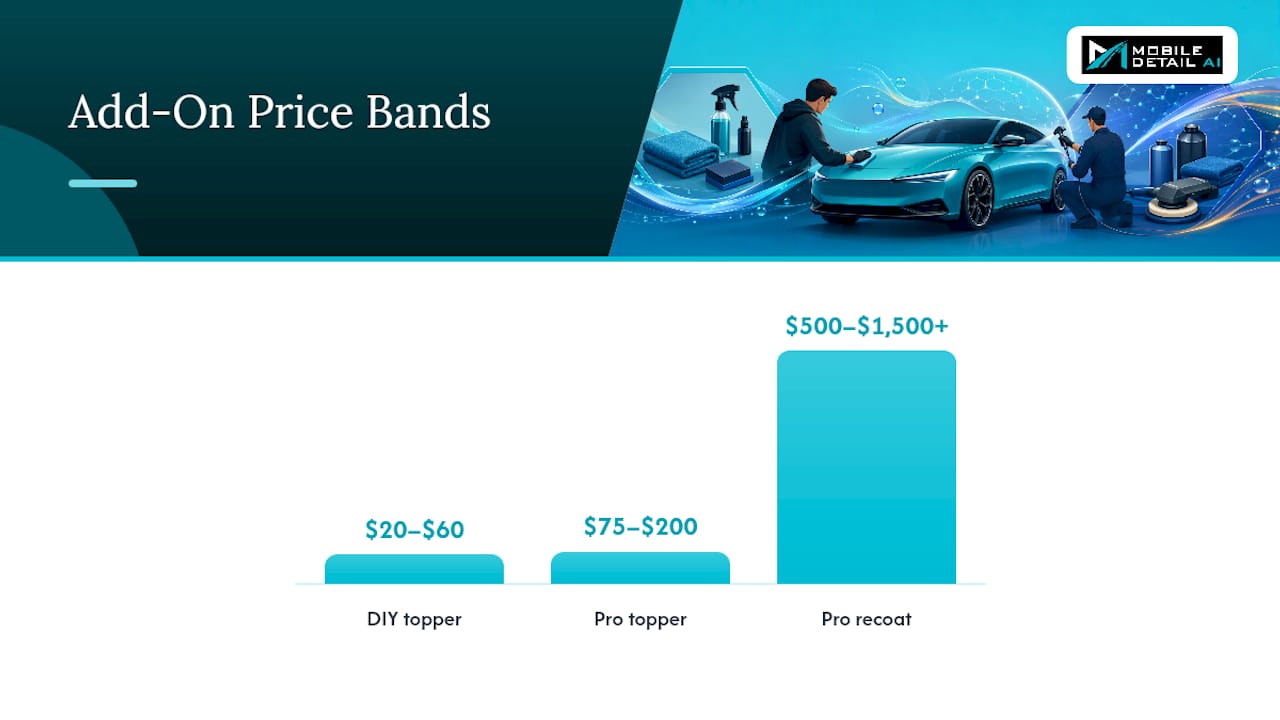
Run the math per year, not per visit. A $150 topper applied twice a year costs less than monthly waxing over the same period and delivers better water behavior the whole time.
How to Choose the Right Add-Ons for Your Situation
Match the add-on to your climate, vehicle value, and how much time you're willing to spend maintaining it.
- Assess your conditions. Hot, sunny climates favor graphene toppers and trim UV protection; wet climates get more value from glass hydrophobic coatings.
- Check the existing coating's condition. If beading has slowed but the surface still looks glossy, a topper is enough. If water sheets unevenly or the paint feels rough, it's time for correction.
- Set a real budget. Decide upfront whether you're spending $50 on a seasonal refresh or $1,000+ on a recoat, and don't let a detailer upsell you past that line without a clear reason.
- Ask direct questions before booking: Is this SiO2 or graphene? Will paint correction be included? What prep steps happen before application? What's the expected lifespan? Is there a maintenance plan or warranty?
Watch for vague answers about prep work. That's the biggest red flag in this business, and it's usually where corners get cut.
How Detailers Actually Manage Add-Ons in the Field
Working detailers don't guess at this. A typical service workflow runs inspection, then a bond test, then a recommendation: topper if the coating's still healthy, recoat if it's not. Platforms built for the trade, including scheduling tools used by mobile detailers, let providers log which coating and topper products were used on each vehicle and flag when the next maintenance visit is due. That kind of service history turns a one-time coating job into an actual maintenance relationship instead of a guess every time the car comes back in.
Our Take: Stop Treating Toppers Like a Second Coating
The biggest misconception in this category is that a topper is a smaller version of a full ceramic coating. It isn't. It's maintenance, closer to changing oil than to a paint job, and the sooner buyers treat it that way, the less money they waste. Plenty of drivers overspend on premium spray bottles chasing "multi-year" durability claims that don't hold up outside a lab, when a $30 topper applied on schedule beats a $70 one applied once and forgotten.
The bigger failure point isn't the product. It's the prep. A rushed decontamination or skipped bond test before either a topper or a recoat is where most disappointing results actually come from, not the chemistry itself. If there's one thing worth prioritizing over brand names and percentage claims, it's finding someone who checks the surface before they touch it with anything.
Booking that inspection shouldn't require guesswork either, which is where having a reliable way to track coating history and schedule the next visit actually pays off.
— Mobile
Book Your Next Ceramic Add-On Through a Detailing Platform
Finding a detailer who actually checks bond quality before slapping on a topper shouldn't take three phone calls and a gamble. Mobile Detail AI connects you directly with vetted detailers, lets you book instantly instead of waiting on a callback, and keeps a running service history so whoever works on your car next knows exactly what's already been applied.

Every booking runs through secure payment processing, and providers on the platform use built-in scheduling tools to track when your next topper or recoat is actually due, rather than leaving you to remember it. If your coating's beading has slowed down or you're not sure whether you need a $50 refresh or a full recoat, check available detailers near you and get a real recommendation before you spend a dollar on the wrong product.